
Cool Down
In 2020, Classical Charter Schools modified its behavior management system to better serve its scholars. Formerly, our system relied primarily on the concept of reflection. Once scholars receive a certain number of verbal notices, they transition to a separate space in the classroom to reflect on their behavior through a written form and conversation with a teacher. There is now an added layer to our system called ‘Cool Down’ which provides scholars more space and strategies to self-regulate when feeling frustrated or distracted. This was incorporated with two goals in mind: (1) help children develop self-regulation strategies and (2) maximize their learning time in the classroom by preventing escalation.
Expectations
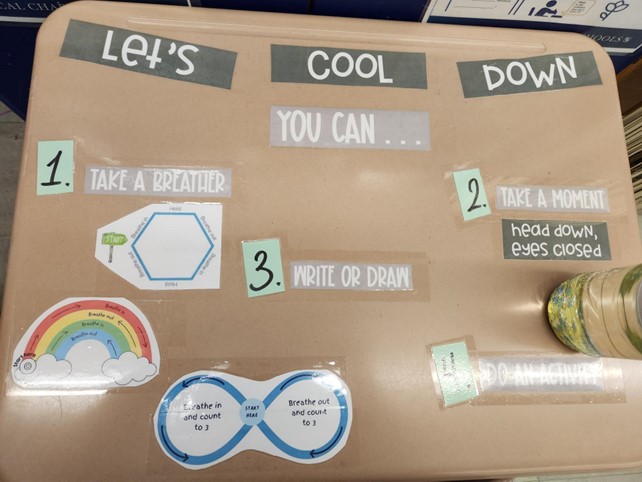
There is a Cool Down desk set up in each classroom and the basic expectation is that this space is clean, cleared of extraneous materials, and features a menu of age-appropriate “cool down” strategies that scholars can choose from. The menu options include breathing exercises, tracing tasks, sensory-based activities, and other strategies that promote mindfulness. When done correctly, children can learn how to self-regulate their emotions and behaviors through these procedures. This also provides a calm space for scholars at the pivotal moment their behavior could otherwise escalate.
Outcomes
Quantifiably, the number of reflections completed in Term 1 the year prior to the Cool Down rollout was 3 times higher than the number of reflections completed when Cool Downs were introduced in 2021-2022. The reduction in reflections, as a result of the Cool Down system, has been maintained in Term 1 of the 2022-2023 school year. Qualitatively, Cool Down procedures have been successful across schools. The new system has helped to reduce escalating behaviors and to keep more scholars in their classroom learning, rather than sitting out at a reflection desk. Teachers also have greater opportunity to support scholars through their frustrations or inability to focus, and coach them through how to self-regulate. It is a less punitive approach and dually serves to help scholars help themselves.
Implementation
To maximize effectiveness, it is imperative that Cool Down procedures are clearly communicated by adults at the start of the school year and maintained consistently throughout. Scholars must understand fully what a Cool Down desk is, what their options are, and how to use them. If the menu for Cool Down options is changed or expanded, as they might be midway through the year, there must be space to stop and teach the updated strategies so scholars can use them correctly and effectively.
This space should not be used as a secondary reflection, or “time out” desk, or messaged to scholars as a consequence. The purpose behind the Cool Down desk must remain consistent across the school year to build predictability and familiarity for scholars, and to ensure this safe space is not taken away.
Furthermore, to ensure we are measuring effectiveness, it is imperative for teachers to collect and input data on instances of scholars moving to the Cool Down desk. Without data collection, we can never be fully certain of the impact of our systems.
In Conclusion
Systems like “Cool Down” help to ensure we are striking a balance between a warm and strict approach. It allows us to manage with greater empathy and space for scholar expression without sacrificing high expectations or academic growth. What is most important for educators to remember is that behavior management systems should not replace our own management in teaching. The tools are meant to be used but the tool is not meant to use you. Unfortunately, at times we get tunnel vision and tend to forget that we are working with children; our children are still learning to self-regulate and it is our responsibility to support them through this. The Cool Down initiative was implemented with this very thought in mind. We will continue working toward our mission to support scholars’ socioemotional development using the systems we uphold in class.
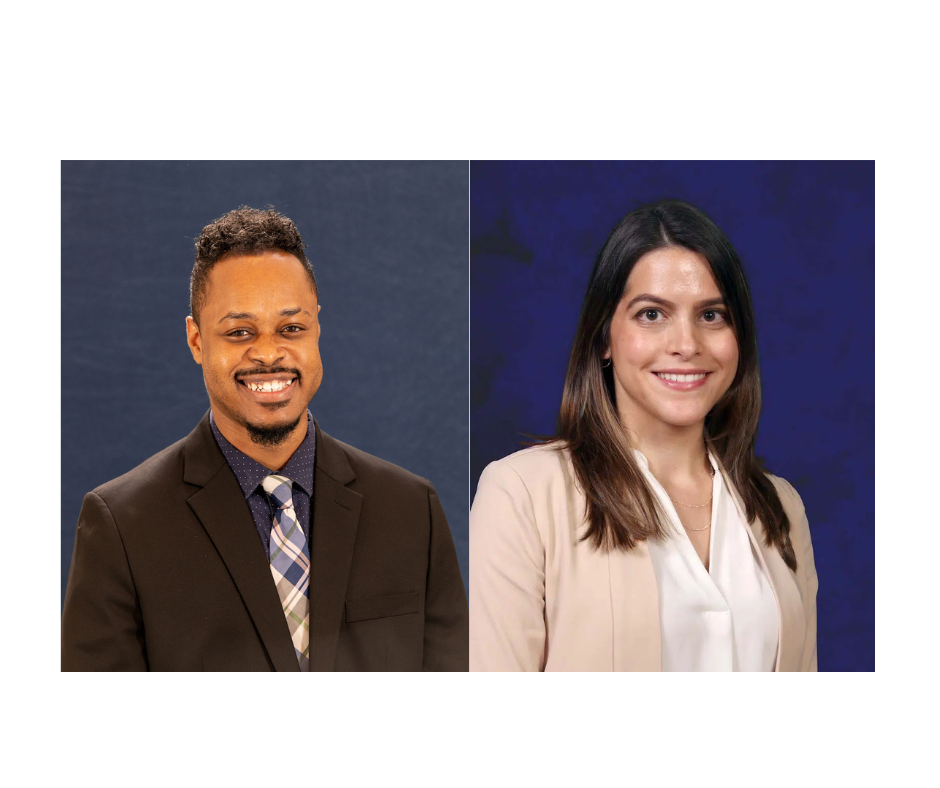
This post was contributed by Mr. Harris, Dean of Students, and Ms. Emanuele, former Kindergarten Grade Team Leader, Instructional Coach, and current Specials Project Manager). As a non-CMO charter network, we rely on the thoughts, opinions, and innovations of our staff to move our mission forward and provide an excellent academic option to families in the South Bronx. To hear more from our staff, check out the next post! Or, click here to learn more.